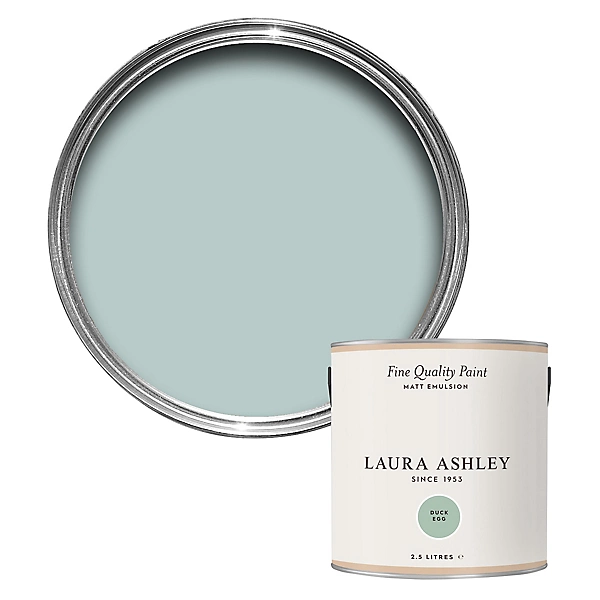
Laura Ashley Duck Egg Matt Emulsion paint, 2.5L
- This high quality water based paint with a sophisticated soft matt finish is the perfect choice to update your interior walls & ceilings.
- Guarantee – Statutory
- Suitable for use on Wall & ceilings
- Surface Preparation – Surfaces to be painted must be clean, dry and free from grease, dust and dirt. Old oil based surfaces should first be sanded to provide a key and then primed using a quality water based primer. (N.B. Avoid the inhalation of dust. Wear a suitable dust mask if dry sanding and take special precautions when sanding pre-1960’s oil based paint surfaces as they may contain harmful lead). Surface priming with a quality water based primer is generally recommended where there is doubt about the surface to be painted with Laura Ashley Water Based Eggshell. Greasy or dirty surfaces should first be washed using a mild detergent or sugar soap and allowed to dry thoroughly.
- Instructions for Use – Stir thoroughly before use. Suitable for brush or roller application to internal surfaces such as plaster and stone. For roller application can be diluted with up to 10% water. If more than one can of the same colour is used, ensure the batch numbers are the same or intermix well before use. Two full coats of matt emulsion should be applied to achieve the required colour standard.
- Instructions for Storage – Store in a cool, well ventilated area. Keep container tightly closed.
£44
Discovering the Perfect Shade for Your Home Sanctuary
As I stand in my newly painted living room, the soft duck egg blue walls seem to capture and reflect the afternoon light in a way that makes the entire space feel both larger and more intimate at the same time. After weeks of deliberation, countless sample pots, and more than a few debates with my partner, I can confidently say that choosing Laura Ashley Duck Egg paint was the single best design decision I’ve made for our home.
If you’re considering this beautiful shade for your own space, let me share everything I’ve learned through my journey—from where to buy it and how much it costs to the best rooms to use it in and the colors that complement it perfectly. This comprehensive guide reflects not just my research, but my lived experience with this versatile and timeless color.
Where to Find Laura Ashley Duck Egg Paint
My hunt for the perfect duck egg blue began at my local home improvement store, where I was met with countless blue-green options but nothing that captured the specific vintage-inspired elegance I was after. It wasn’t until I discovered that Laura Ashley has partnered with specific retailers that I found exactly what I was looking for.
Laura Ashley Duck Egg paint is primarily available through authorized retailers and distributors. In the UK, you’ll find it at larger B&Q stores, selected Homebase locations, and through the official Laura Ashley website. For those in the US, check specialty paint retailers or order online through Laura Ashley’s US website and authorized distributors.
What surprised me was that some independent home décor boutiques also carry the Laura Ashley paint line. I stumbled upon a charming little shop in my town’s historic district that not only stocked the full range but had expert staff who provided personalized advice based on my specific space.
If online shopping is more your style, numerous e-commerce platforms carry Laura Ashley paints, including their official website, Amazon, and specialized home décor sites. Just be careful to verify that you’re purchasing from authorized sellers to ensure you’re getting the genuine product.
Finish Options: Choosing the Right Sheen for Your Space
One aspect I hadn’t fully considered until I was standing in front of the display was the importance of choosing the right finish. Laura Ashley Duck Egg paint comes in several finishes, each suited to different applications:
The matte finish offers a sophisticated, velvety appearance with no shine. It’s perfect for creating a soft, cozy atmosphere in living spaces and bedrooms. I chose this for our living room walls, and it creates a beautiful chalky effect that adds depth to the color. The downside is that it’s less washable than other finishes, so consider this if you have young children or pets.
Their eggshell finish provides a subtle sheen—not quite flat but not glossy either. It’s more durable and easier to clean than matte, making it ideal for spaces that see moderate traffic or might need occasional cleaning. The subtle glow it gives off when light hits it adds a beautiful dimension to the color.
The satin finish offers a soft, pearl-like sheen that works beautifully in kitchens, bathrooms, and on woodwork. It’s highly durable and wipeable, standing up well to moisture and frequent cleaning. When I used it in our guest bathroom, it transformed the space, giving it an elegant, almost spa-like quality.
For those looking for maximum durability, Laura Ashley also offers a gloss finish that provides a high shine and exceptional durability. This is perfect for trim, doors, and other high-wear surfaces. The contrast between the glossy trim and matte walls in my living room creates a sophisticated, layered look that I absolutely love.
The Investment: Cost Considerations for Laura Ashley Duck Egg Paint
Let’s talk about the elephant in the room: price. Laura Ashley Duck Egg paint is positioned as a premium product, and the price reflects this. Generally, a 2.5L tin ranges from $40-60 (£30-45), depending on the finish and retailer. Sample pots, which I highly recommend purchasing before committing to a full tin, typically cost around $5-8 (£4-6).
Is it worth the investment? After using both budget-friendly paints and premium options like Laura Ashley, I can say with confidence that the difference is noticeable. The pigmentation is richer, the coverage is superior, and the finished result has a depth and quality that justifies the higher price point.
That said, I’ve found ways to make the most of my investment. First, proper preparation saves paint—filling holes, sanding rough spots, and applying a quality primer means you’ll need fewer coats of the color. Second, high-quality application tools make a significant difference. I invested in good brushes and rollers, which resulted in smoother application and less waste.
Living Room Transformation: Duck Egg Blue as a Backdrop for Life
The living room is where we spend most of our waking hours at home, so the color needed to be just right—something calming but not boring, distinctive but not overwhelming. Duck egg blue proved to be the perfect choice.
What makes Laura Ashley Duck Egg particularly suitable for living spaces is its chameleon-like quality. During daylight hours, it appears brighter and more vibrant, creating an uplifting atmosphere. As evening falls and lamps are switched on, it transforms into a deeper, cozier shade that feels enveloping and intimate.
Our cream-colored sofa and dark wood furniture stand out beautifully against the duck egg backdrop. The color serves as a sophisticated neutral that allows other elements in the room to shine while still making its own gentle statement.
Something I didn’t anticipate was how the color would affect the mood of the space. Friends have commented that our living room feels calmer and more welcoming since we painted. There’s a tranquility to the shade that subtly influences the atmosphere, making it a perfect backdrop for both lively gatherings and quiet evenings at home.
Kitchen and Bathroom Applications: Practical Considerations
When it comes to kitchens and bathrooms, practicality needs to meet aesthetics. These high-moisture, high-traffic areas require a paint that can stand up to the challenges they present.
For our kitchen, I chose Laura Ashley Duck Egg in the satin finish. After two years, it’s holding up remarkably well to cooking splashes, steam, and the occasional cleaning with a mild detergent. The color works beautifully with our white cabinets and stainless steel appliances, creating a clean, classic look that doesn’t feel sterile.
In the bathroom, moisture resistance is crucial. The satin finish again proved to be an excellent choice, as it repels water and prevents the growth of mold and mildew. The color itself brings a spa-like quality to the space, especially when paired with fluffy white towels and natural wood accents.
One tip I’d share from experience: in both kitchens and bathrooms, proper preparation is even more critical. I used a specialized primer designed for high-moisture areas before applying the Duck Egg paint, which has significantly enhanced its durability.
Sample Pots: The Small Investment That Saves Big Mistakes
If there’s one piece of advice I cannot emphasize enough, it’s this: always, always test with sample pots before committing to a full can of paint. Laura Ashley offers Duck Egg sample pots, and they’re worth their weight in gold.
Colors look different depending on the light in your space, the time of day, and what other colors they’re paired with. What looks perfect on a small paint chip or in a store display might not work in your specific environment.
I painted three large swatches on different walls in our living room and observed them over several days. The color appeared distinctly different on the north-facing wall compared to the south-facing one—cooler and more gray in the former, warmer and more green in the latter.
This observation period also allowed me to see how the color interacted with our furnishings and how it looked in both natural and artificial light. It was fascinating to watch the subtle shifts in the shade as the light changed throughout the day.
The $6 I spent on a sample pot saved me from potentially repainting an entire room, which would have cost hundreds in paint and countless hours of labor. It’s simply the most cost-effective part of the painting process.
Creating a Cohesive Palette: Colors That Complement Duck Egg Blue
One of Duck Egg blue’s greatest strengths is its versatility. It works harmoniously with a wide range of colors, making it easy to create a cohesive palette throughout your home.
For a classic, timeless look, pair Duck Egg with crisp whites and creams. In our living room, the combination of Duck Egg walls with white crown molding and cream upholstery creates an elegant, airy feeling. The contrast is distinct enough to add architectural interest without being stark.
Gray tones, from light silver to deeper charcoal, also work beautifully with Duck Egg blue. They bring out the blue undertones in the color while adding a contemporary edge. Our gray accent chairs look as though they were made specifically to complement the walls.
Natural wood tones warm up the coolness of Duck Egg blue perfectly. Our walnut coffee table and bookshelf add richness and depth to the space, balancing the ethereal quality of the wall color with something substantial and grounding.
For those willing to be a bit more adventurous, Duck Egg pairs surprisingly well with certain shades of coral or blush pink. These warmer colors create a pleasing contrast that feels both fresh and sophisticated. I’ve incorporated these tones in smaller accessories like cushions and artwork.
Eco-Friendly Aspects: Paint That’s Kind to Your Home and the Planet
As someone who’s increasingly conscious of the environmental impact of home improvement products, I was pleased to discover that Laura Ashley Duck Egg paint offers eco-friendly options.
Their water-based formulations have low VOC (Volatile Organic Compounds) content, which means fewer harmful chemicals are released into your home’s air. This is especially important if you have children, pets, or anyone with respiratory sensitivities in your household.
After painting our bedroom, I noticed there was minimal paint odor, and we were able to sleep in the room the very next night without any lingering chemical smell. This was a significant improvement over some conventional paints I’ve used in the past, which left rooms smelling for days.
The eco-friendly aspect extends beyond just application. The paint is designed to be durable, which means less frequent repainting and therefore less consumption over time. It’s a small but meaningful way to reduce our environmental footprint while creating a beautiful home.
Playing with Light: How Duck Egg Blue Transforms with Natural Illumination
One of the most fascinating aspects of working with Duck Egg blue is observing how dramatically it changes with different lighting conditions. This chameleon-like quality is part of what makes it such a versatile choice.
In rooms with abundant natural light, particularly south-facing spaces, Duck Egg takes on a brighter, more vibrant appearance with its green undertones becoming more pronounced. The color feels fresh and invigorating, perfect for daytime activities.
In north-facing rooms, where light tends to be cooler and less direct, the blue aspects of the color become more dominant. The shade appears deeper and more subdued, creating a cozy, intimate atmosphere that’s perfect for relaxation.
East-facing rooms enjoy warm morning light that brings out the warmth in Duck Egg blue, while west-facing spaces benefit from the golden afternoon sun that makes the color glow with a subtle warmth as the day progresses.
This responsiveness to light means that a single color can create different moods throughout your home, adapting to both the architecture of each space and the time of day. It’s like having several colors in one, each revealing itself at different moments.
Coverage and Application: Getting the Perfect Finish
When it comes to application, Laura Ashley Duck Egg paint performs admirably, but achieving the perfect finish requires some technique and the right number of coats.
In my experience, two coats are typically sufficient for full coverage, especially if you’ve prepared the surface properly with a suitable primer. The paint has good opacity and covers well, even over darker colors. When I painted over a previously dark gray wall, two coats gave complete coverage without any bleed-through.
The key to a flawless finish is in the application technique. I found that using a high-quality roller with a medium nap provided the most even coverage on walls. For cutting in around edges and woodwork, a good angled brush made all the difference in achieving crisp, clean lines.
One aspect I particularly appreciated was the paint’s workability. It doesn’t dry too quickly, giving you time to go back and smooth out any roller marks or brush strokes before it sets. This forgiving quality makes it suitable for DIYers who may not have professional-level painting skills.
Between coats, I allowed a full 4 hours of drying time, even though the can suggested 2-3 hours. This extra time ensured that the first coat was completely dry, resulting in a smoother second coat and a more uniform finish overall.
Beyond Walls: Using Duck Egg Paint on Furniture
While my initial project was painting our living room walls, I’ve since expanded my use of Laura Ashley Duck Egg paint to furniture pieces, with beautiful results.
For a vintage bedside table that needed refreshing, I chose the eggshell finish, which provided just enough sheen to make the piece look polished without appearing too glossy. The color transformed a forgettable piece of furniture into a standout accent that now receives regular compliments.
When painting furniture, preparation is even more crucial than with walls. I thoroughly sanded the piece, applied a stain-blocking primer, and then used two coats of the Duck Egg paint. For added durability, I finished with a clear water-based polyurethane, which has protected the finish beautifully even with daily use.
What I love about using this color on furniture is how it bridges different design styles. The Duck Egg blue has a vintage quality that works with traditional pieces, but its subtle tone also complements more contemporary settings. It’s this versatility that makes it so valuable in creating a cohesive look throughout different rooms and on various surfaces.
Durability in High-Traffic Areas: How Does It Hold Up?
Our home isn’t just a showplace—it’s lived in, with two adults, a dog, and frequent visits from nieces and nephews. How would a relatively light-colored paint stand up to this real-world use?
After three years in our hallway, one of the highest-traffic areas in any home, the Laura Ashley Duck Egg paint in satin finish has proven remarkably durable. There are no significant scuff marks, the color hasn’t faded despite the area getting plenty of sunlight, and when marks do appear, they clean off easily with a damp cloth.
The key to this durability seems to be twofold: the quality of the paint itself and choosing the right finish for the space. While I might use matte in a formal dining room that sees occasional use, for hallways, stairwells, and other high-traffic areas, the satin finish provides the perfect balance of beauty and practicality.
Even in our kitchen, where cooking splatters and steam are daily occurrences, the paint has maintained its color and finish exceptionally well. Occasional cleaning with a mild detergent hasn’t dulled the color or affected the finish—a testament to the paint’s quality.
The Classic Combination: Duck Egg Blue with White Trim
There’s something timelessly elegant about the combination of colored walls with white trim, and Duck Egg blue paired with crisp white is particularly striking.
In our living room, we paired the Duck Egg walls with bright white crown molding, baseboards, and door frames. The contrast highlights the architectural details while creating a clean, defined look that feels both traditional and fresh.
The key to making this combination work is choosing the right shade of white. I opted for a pure white with cool undertones, which complements the cool aspects of Duck Egg blue. A creamier white with yellow undertones would have created a different effect, potentially clashing with the delicate blue-green balance of the Duck Egg shade.
This classic pairing works in virtually any room and with any style of décor, from traditional to contemporary. It’s one of those foolproof design combinations that consistently delivers a sophisticated, pulled-together look.
The Verdict: Reviews and Real-World Performance
Before committing to Laura Ashley Duck Egg for our home, I scoured reviews online and spoke with friends who had used the product. The consensus was overwhelmingly positive, with particular praise for the color’s depth and the paint’s overall quality.
Now, having used it extensively myself, I can add my voice to those positive reviews. The color has a complexity that many similar shades lack—it shifts subtly throughout the day, never looking flat or one-dimensional. The paint itself applies beautifully and has proven durable even in challenging environments like kitchens and high-traffic hallways.
If there’s any criticism to be found, it might be in the premium price point, but as the saying goes, you get what you pay for. The superior pigmentation means fewer coats are needed, and the durability means less frequent repainting, both of which offset the initial higher cost.
Customer service has also been excellent in my experience. When I was uncertain about which finish would work best in our kitchen, the Laura Ashley representative I spoke with provided detailed, helpful advice that guided me to the right choice for our specific needs.
Duck Egg vs. Other Pastel Shades: What Makes It Special?
In my journey to find the perfect color for our home, I tested numerous pastel blues and greens. What sets Duck Egg blue apart from these other options?
Unlike many pastel blues, which can sometimes feel too nursery-like or overly sweet, Duck Egg has a sophisticated grayish undertone that gives it depth and prevents it from appearing childish. It’s soft without being insipid, colorful without being overwhelming.
Compared to similar green-blue shades like seafoam or aqua, Duck Egg is more muted and versatile. While those colors make a stronger statement, Duck Egg serves as a more adaptable backdrop that complements rather than competes with your furnishings and décor.
Perhaps the most distinctive quality of Laura Ashley’s Duck Egg paint is its historical reference. Inspired by the subtle blue-green of actual duck eggs, the color has a timeless quality that transcends trends. While many contemporary pastel shades will likely look dated in a few years, Duck Egg blue has already proven its staying power over decades.
Fade Resistance: Will Your Duck Egg Blue Stand the Test of Time?
Color fastness is a critical consideration when investing in quality paint. After all, what good is the perfect shade if it doesn’t look the same a year later?
I’m pleased to report that after three years, including in rooms that receive significant natural light, our Duck Egg blue walls show no signs of fading or color shift. The paint contains UV-resistant pigments that help maintain color integrity even in sunny locations.
To maximize this fade resistance, I did take some precautions in rooms with southern exposure. UV-filtering window films and strategic use of blinds or curtains during the most intense sunlight hours help protect not just the paint but also furnishings and flooring from sun damage.
This color stability means you can confidently use Duck Egg blue throughout your home without worrying that the shade will look different from room to room over time due to varying light exposure. It’s a small but significant aspect of the paint’s quality that contributes to its overall value.
Creating Patterns and Designs: Duck Egg Blue with Wallpaper and Patterns
For those who love the color but want to incorporate more visual interest, Duck Egg blue pairs beautifully with patterned elements like wallpaper, stencils, or textured techniques.
In our dining room, I created an accent wall using a subtle damask-patterned wallpaper in Duck Egg blue and cream. The monochromatic approach keeps the look sophisticated rather than busy, while the pattern adds depth and interest to the space.
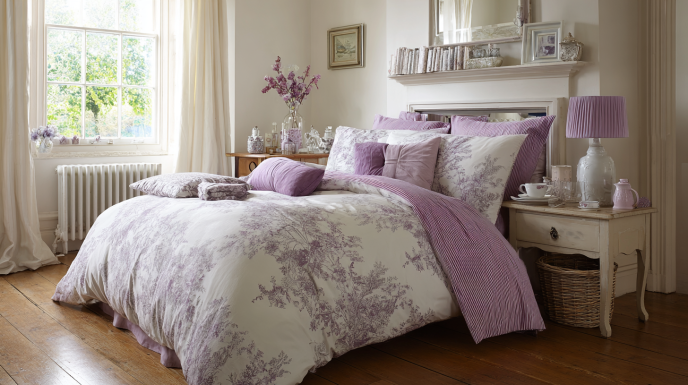
Another approach is to use Duck Egg as a solid color on walls and incorporate patterned textiles in complementary colors. Floral prints that include touches of Duck Egg blue alongside coral, cream, or gray create a cohesive look that doesn’t feel overly matched.
For the more adventurous, techniques like color washing or rag rolling with Duck Egg blue and a slightly lighter or darker shade can create subtle texture that adds dimension to walls without the commitment of wallpaper.
The versatility of the color means it works equally well as the background for bold patterns or as an accent color within a pattern. This flexibility allows you to adjust the visual weight of the color in your design scheme according to your preferences.
Preparation Is Key: Primers and Surface Preparation
A perfect paint job begins long before the color coat is applied, and choosing the right primer is essential to achieving the best results with Laura Ashley Duck Egg paint.
For most standard applications on previously painted walls in good condition, a quality all-purpose primer is sufficient. I used a water-based primer that was tinted slightly blue-gray to provide an optimal base for the Duck Egg color, which helped achieve true color coverage with fewer coats.
For challenging surfaces like new drywall, stained walls, or when making a dramatic color change (especially from dark to light), a specialized primer is worth the investment. Stain-blocking primers are particularly important if you’re covering water stains or other discoloration that might bleed through lighter colors like Duck Egg blue.
Beyond primer, proper surface preparation makes a significant difference in the final result. I found that filling holes, sanding rough areas, and thoroughly cleaning the walls before painting resulted in a noticeably smoother, more professional-looking finish.
This preparation stage is often tempting to rush through in the excitement to see the new color on your walls, but the time invested here pays dividends in the quality and longevity of the finished product.
Alternative Application Methods: Beyond the Brush and Roller
While traditional brushes and rollers are the go-to tools for most painting projects, Laura Ashley Duck Egg paint can be applied in various ways to achieve different effects.
For furniture and smaller projects, I’ve successfully used foam brushes, which provide a remarkably smooth finish with minimal brush marks. They’re particularly effective for detailed areas and decorative elements where precision is important.
While Laura Ashley doesn’t offer their Duck Egg paint in a factory-made spray format, professional painters can put it through a sprayer for large projects or when an ultra-smooth finish is desired. This requires some thinning of the paint according to the sprayer manufacturer’s recommendations, but the results can be stunning, particularly on cabinetry or built-ins.
For decorative techniques, natural sea sponges can be used to apply Duck Egg paint in a mottled pattern that adds texture and visual interest. I used this technique in a small powder room, creating a subtle, organic pattern that gives the space depth without overwhelming the small area.
Each application method brings out different aspects of the color, from the pure, even tone achieved with a sprayer to the dimensional quality that comes with more textural application techniques.
Coordinating Your Space: Fabrics and Accessories to Match
One of the advantages of choosing a Laura Ashley color is access to their coordinated collections of fabrics, wallpapers, and home accessories designed to work with their paint colors.
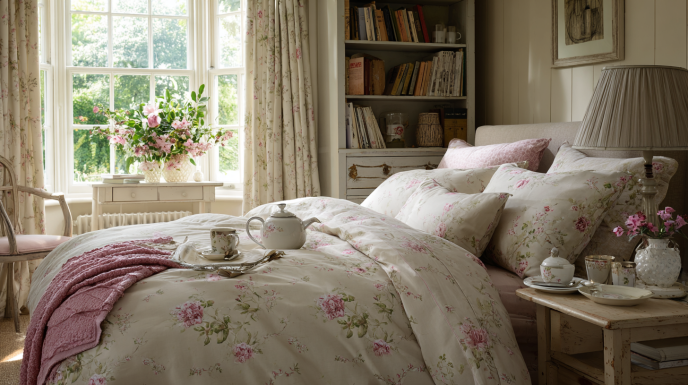
For our living room, I selected curtains in a Laura Ashley floral pattern that incorporates Duck Egg blue alongside cream and touches of blush pink. The coordination feels intentional without being too matched, creating a pulled-together look that still has personality and warmth.
Beyond the Laura Ashley collections, I’ve found that Duck Egg blue works beautifully with natural materials like jute, rattan, and light woods. These elements add texture and warmth that balance the cool tones of the paint color.
Metallic accents also pair wonderfully with Duck Egg blue. Silver and chrome bring out the blue undertones for a cooler, more contemporary look, while brass and gold warm up the color and add a touch of elegance that works well in traditional or transitional spaces.
The versatility of Duck Egg blue means you’re not limited to a narrow range of coordinating elements. Whether your style leans modern, traditional, coastal, or eclectic, this adaptable shade provides a sophisticated backdrop for a wide variety of design choices.
Conclusion: Why Laura Ashley Duck Egg Paint Continues to Captivate
As I look around our home, with its Duck Egg blue walls providing a consistent yet adaptable backdrop from room to room, I understand why this color has maintained its popularity for so long. It’s not just a paint color—it’s a design foundation that balances timelessness with freshness in a way few other shades can achieve.
The color’s chameleon-like quality means it never becomes tiresome or overwhelming, shifting subtly with the light and complementing rather than competing with the life that happens within your spaces. Its versatility makes it suitable for virtually any room, from serene bedrooms to functional kitchens, adapting to each space’s unique requirements.
While trends in home décor come and go with increasing speed, Duck Egg blue has proven itself to be a lasting choice that transcends fashion. It’s not a color you’ll tire of quickly or feel compelled to change after a season or two. Instead, it grows with you, adapting to evolving tastes and complementing new furnishings as your home evolves.
If you’re standing at the paint counter feeling overwhelmed by choices, uncertain whether to go bold or play it safe, Duck Egg blue offers a beautiful middle ground—distinctive enough to make a statement, subtle enough to live with happily for years to come. It might just be, as it was for me, the single best design decision you make for your home.