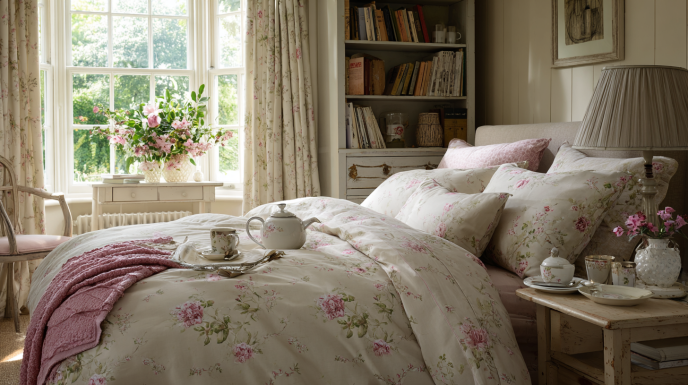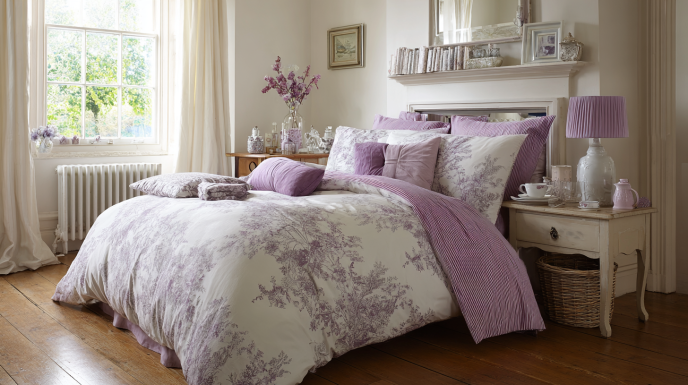
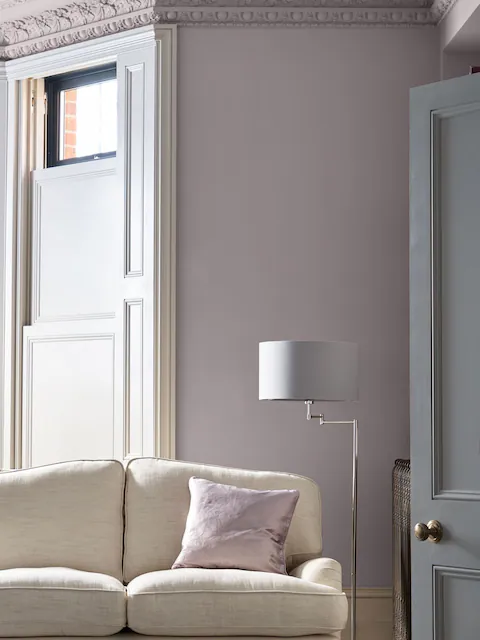
Laura Ashley Pale Amethyst Purple Matt Emulsion 5LT Paint
- Laura Ashley water based matt emulsion paints are perfect for interior walls and ceilings. Available in 100ml tester, 2.5 Litre and 5 Litre Emulsion. All Laura Ashley paints are made in the UK. Deliver to Mainland UK Only.
£78
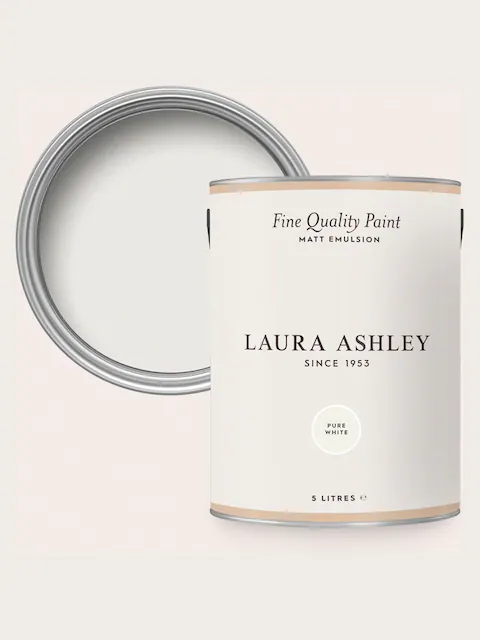
Laura Ashley Pure White Matt Emulsion 5LT Paint
- Laura Ashley water based matt emulsion paints are perfect for interior walls and ceilings. Available in 100ml tester, 2.5 Litre and 5 Litre Emulsion. All Laura Ashley paints are made in the UK. Deliver to Mainland UK Only.
£78

Laura Ashley Pistachio Green Matt Emulsion 5LT Paint
- Laura Ashley water based matt emulsion paints are perfect for interior walls and ceilings. Available in 100ml tester, 2.5 Litre and 5 Litre Emulsion. All Laura Ashley paints are made in the UK. Deliver to Mainland UK Only.
£78

Laura Ashley Dark Dove Grey Matt Emulsion 5LT Paint
- Laura Ashley water based matt emulsion paints are perfect for interior walls and ceilings. Available in 100ml tester, 2.5 Litre and 5 Litre Emulsion. All Laura Ashley paints are made in the UK. Deliver to Mainland UK Only.
£78

Laura Ashley Sunshine Yellow Matt Emulsion 5LT Paint
- Laura Ashley water based matt emulsion paints are perfect for interior walls and ceilings. Available in 100ml tester, 2.5 Litre and 5 Litre Emulsion. All Laura Ashley paints are made in the UK. Deliver to Mainland UK Only.
£78
Navigating the World of Heritage Colors and Premium Finishes
As I stand in my newly painted living room, bathed in the soft glow of “Pale Cowslip,” I can’t help but feel a sense of accomplishment. After weeks of deliberation, countless sample pots, and one minor ladder incident (let’s not talk about that), my home finally embodies the elegant, timeless aesthetic I’ve been dreaming of. If you’re considering Laura Ashley paint for your next project, you’re in for a treat—and possibly a few tough decisions. Let me guide you through everything I’ve learned on my Laura Ashley paint journey.
My Laura Ashley Paint Story: Where It All Began
My love affair with Laura Ashley paint began quite by accident. After purchasing my Victorian terrace house three years ago, I was determined to restore it to its former glory while adding my own contemporary twist. The original features were intact but desperately needed refreshing, and the previous owner’s penchant for beige had left the space feeling flat and uninspired.
During a weekend visit to a friend’s country cottage, I was immediately struck by the subtle sophistication of her dining room walls. The color wasn’t just on the walls; it seemed to create an atmosphere—warm, inviting, yet undeniably elegant. When she told me it was Laura Ashley’s “Duck Egg,” I knew my search for the perfect paint was over.
Fast forward several months, many paint samples, and a significantly lighter wallet, and I’ve become something of a Laura Ashley paint enthusiast. Finding the right Laura Ashley paint can completely transform not just your walls, but your entire living experience. And I’m here to share everything I’ve learned along the way.
Understanding the Laura Ashley Paint Collection
Laura Ashley has cultivated a reputation for timeless design since the 1950s, and their paint collection is no exception. Unlike trend-focused brands that change their palette with every season, Laura Ashley offers a carefully curated selection of colors that stand the test of time.
The collection primarily consists of soft, muted tones inspired by the English countryside—think dusty pinks, sage greens, powder blues, and warm neutrals. These aren’t colors that shout for attention; they’re sophisticated backdrops that enhance your existing décor and create a sense of harmony.
What sets Laura Ashley paints apart is their depth and complexity. Even their seemingly simple whites and creams have subtle undertones that shift with the changing light throughout the day. “Pale Cowslip,” for instance, reads as a warm off-white in the morning sun but transforms into a delicate, buttery cream by evening—a living color that brings walls to life.
The Most Popular Laura Ashley Paint Colors
After countless hours spent in showrooms, poring over color cards, and speaking with interior designers, I’ve identified the most beloved Laura Ashley shades. These perennial favorites have earned their status for good reason:
Pale Neutrals
- Pale Cowslip: My personal favorite and the star of my living room. This warm, creamy white has the faintest yellow undertone, creating a soft, inviting atmosphere without the starkness of pure white.
- Ivory: A timeless off-white with subtle depth that works beautifully in period properties and modern homes alike. It’s particularly stunning in rooms with abundant natural light.
- Canvas: Slightly warmer than Ivory, this versatile neutral creates a perfect backdrop for both colorful and monochromatic décor schemes.
Soft Blues and Greens
- Duck Egg: Perhaps Laura Ashley’s most iconic shade, this delicate blue-green evokes vintage elegance and countryside charm. It’s serene enough for bedrooms yet sophisticated enough for formal dining rooms.
- Pale Seaspray: A fresher, more contemporary take on Duck Egg with slightly more blue undertones. It’s perfect for creating a calming bathroom sanctuary.
- Sage: A muted, earthy green that brings the outdoors in. It pairs beautifully with natural materials like wood and stone.
Warm Tones
- Pale Cranberry: A sophisticated, muted pink that’s grown-up enough for any space. It creates the most beautiful glow during golden hour.
- Cashew: A rich, warm neutral with subtle terracotta undertones. It’s particularly effective in north-facing rooms that need warming up.
- Fossil: A complex greige (gray-beige) that adapts beautifully to different lighting conditions and complements almost any accent color.
When I initially painted my home office in Pale Seaspray, I was concerned it might feel too cold for a space where I spend so many hours. However, I’ve found that pairing it with warm wood furniture and brass accents creates the perfect balance—cool enough to promote focus but warm enough to feel welcoming.
Where to Buy Laura Ashley Paint
My search for Laura Ashley paint revealed that availability varies significantly depending on your location. In the UK, Laura Ashley paint is more widely accessible, while international shoppers may need to explore different options.
Physical Retailers
- Laura Ashley Stores: Though the company has reduced its physical retail presence, some standalone Laura Ashley stores still carry their paint collection. Call ahead to confirm availability.
- Home Improvement Chains: In the UK, certain branches of Homebase stock Laura Ashley paints. The advantage of visiting these stores is the opportunity to see sample boards in person and speak with knowledgeable staff.
- Independent Paint and Decorating Shops: Many specialty paint retailers carry Laura Ashley as part of their premium paint offerings. These shops often provide more personalized advice than larger chains.
Online Options
- Laura Ashley Website: The official site offers the complete range of colors and finishes, though shipping costs can add up for international customers.
- Authorized Online Retailers: Several home improvement websites stock Laura Ashley paints, often with competitive pricing and frequent promotions.
- Marketplace Platforms: Sites like Amazon occasionally carry Laura Ashley paint, though selection may be limited and authenticity can be a concern.
I personally found the best experience was visiting a physical retailer first to view the colors in person, then ordering online when I was confident in my selection. The color cards, while helpful, never quite capture the true essence of the paint as it will appear on your walls.
Understanding Laura Ashley Paint Pricing
Let’s address the elephant in the room—Laura Ashley paint is not budget-friendly. It falls squarely into the premium paint category, with prices that reflect its quality and heritage status.
During my renovation journey, I experienced momentary sticker shock when comparing Laura Ashley to standard DIY store options. A 2.5L tin typically ranges from £36-£45 (approximately $45-$60), depending on the finish. Premium finishes like their Intelligent Matt Emulsion can command even higher prices.
Is it worth the investment? After using both budget and premium paints throughout my home, I can confidently say yes—with caveats. The coverage, depth of color, and durability of Laura Ashley paint is noticeably superior to lower-priced alternatives. One coat often does the work of two budget paint coats, saving time and labor. Additionally, the sophisticated color palette offers subtleties that mass-market brands rarely achieve.
However, if you’re painting an entire house or working with a tight budget, mixing high and low can be a smart strategy. I splurged on Laura Ashley for my main living spaces where the color complexity would be most appreciated, and used more affordable options for utility areas and ceilings.
Seasonal Discounts and Promotions
Through persistent research and strategic timing, I’ve managed to save significantly on my Laura Ashley paint purchases. Here’s what I’ve learned about finding the best deals:
- Boxing Day and End-of-Season Sales: Laura Ashley typically offers substantial discounts (up to 30%) during these periods.
- Spring Refresh Promotions: March-April often sees paint promotions coinciding with the traditional spring cleaning season.
- Multi-Buy Offers: Watch for “buy two, get one half price” promotions, which are particularly valuable for larger projects.
- Newsletter Subscriptions: Signing up for the Laura Ashley newsletter often grants access to exclusive discounts and early sale notifications.
- Decorator Discounts: If you’re working with a professional decorator, they may have access to trade discounts that can reduce costs.
My most successful bargain came from purchasing during a Bank Holiday promotion and combining it with a first-time buyer discount code, resulting in a 35% saving overall—a significant amount when buying multiple tins for my open-plan ground floor.
Finish Options: Choosing the Right Laura Ashley Paint for Each Space
One aspect of Laura Ashley paint that initially confused me was navigating the various finish options. Each has distinct properties that make it suitable for different applications:
Matt Emulsion
This is Laura Ashley’s standard wall and ceiling paint, offering a flat finish with no shine. It’s ideal for:
- Living rooms and bedrooms where a sophisticated, velvety look is desired
- Hiding minor wall imperfections
- Creating a contemporary feel
The downside is that traditional matt finishes are less washable than other options. I learned this the hard way after a red wine incident in my dining room required repainting an entire wall section.
Intelligent Matt Emulsion
This premium option combines the aesthetic of a matt finish with significantly improved durability and washability. Worth considering for:
- Family homes with children or pets
- High-traffic areas like hallways and staircases
- Kitchens and bathrooms (though not in direct water splash zones)
I used this in my entrance hall, and after two years of heavy use, it still looks freshly painted despite numerous encounters with muddy boots and the occasional bicycle tire.
Soft Sheen Emulsion
With a subtle luster that reflects light beautifully, soft sheen works wonderfully in:
- Smaller rooms that need to feel more spacious
- Areas with limited natural light
- Modern spaces where a slight contemporary sheen is appropriate
Pale/Mid/Deep Tones
Laura Ashley categorizes their colors by depth, which affects both price and coverage. Deeper tones generally require fewer coats but come at a higher price point. My living room’s Pale Cowslip (a pale tone) needed two full coats for perfect coverage, while the Cashew (a mid-tone) in my dining room achieved full coverage in just one coat plus touch-ups.
Suitability for Specific Spaces: Kitchens, Bathrooms, and High-Traffic Areas
One of the most common questions I received when sharing my renovation journey on social media was whether Laura Ashley paint stands up to the demands of challenging spaces. Here’s my honest assessment:
Kitchens
For kitchen walls away from direct splashes, the Intelligent Matt Emulsion performs admirably. It withstands occasional steam and can be gently wiped clean of cooking splatters. For backsplash areas or walls directly adjacent to cooking zones, I would recommend either:
- Using Laura Ashley paint and covering with clear glass splashbacks
- Opting for specialty kitchen paint from other brands for these specific high-risk areas
Bathrooms
In my guest bathroom, the Pale Seaspray Intelligent Matt has held up well in most areas. However, for shower rooms or bathrooms with poor ventilation, you might need to compromise:
- Use Laura Ashley in the majority of the bathroom for the color and aesthetic
- Switch to a specialized bathroom paint for immediate wet areas and ceiling
High-Traffic Hallways and Staircases
This is where the premium quality of Laura Ashley truly justifies its price. The Intelligent Matt in my hallway has endured moving furniture, children’s toys, and countless brushes with bags and coats. Two years in, it shows minimal scuffing compared to the budget paint initially used in my upstairs hallway, which needed refreshing after just six months.
Undertones and Light Considerations
My most valuable lesson came from understanding how undertones in Laura Ashley paints interact with different lighting conditions. What looks perfect on a color card can transform dramatically depending on your room’s natural light exposure.
North-Facing Rooms
These receive cool, bluish light that can make colors appear more muted and gray. In these spaces:
- Warm neutrals like Cashew and Fossil come alive
- Cool colors like Duck Egg can appear flatter and more gray
- White-based colors like Ivory can look dull
My north-facing study initially felt cold and uninspiring in Pale Seaspray until I balanced it with warm-toned furnishings and lighting.
South-Facing Rooms
Blessed with warm, golden light, these rooms can handle cooler tones beautifully:
- Duck Egg and Pale Seaspray appear more vibrant and true
- Very warm neutrals might feel overwhelming
- Even the palest colors will read clearly
East-Facing Rooms
These spaces receive bright, yellow-tinted morning light but become cooler as the day progresses:
- Versatile neutrals like Canvas work particularly well
- Consider how the room is primarily used—morning or evening—when selecting colors
West-Facing Rooms
With cool morning light and warm afternoon illumination, these spaces experience the most dramatic color shifts:
- Mid-tones tend to perform more consistently throughout the day
- Sample testing is absolutely essential in these chameleon-like spaces
The Critical Importance of Sample Pots
If there’s one piece of advice I cannot emphasize enough, it’s this: Never skip testing with sample pots before committing to a color scheme. Laura Ashley offers sample pots (typically around £5-6) that provide enough paint to test a generous section of wall.
My approach to sample testing evolved through trial and error:
- Paint at least a 1-meter square area (larger is better)
- Apply two coats to mimic the final result
- Position the sample on different walls within the same room
- Observe at different times of day and under both natural and artificial lighting
- Live with the samples for at least three days before deciding
This methodical approach saved me from several potential mistakes. What appeared to be the perfect warm neutral (Cashew) for my living room revealed itself to be too intense in afternoon light, leading me to the softer Pale Cowslip that now creates exactly the atmosphere I wanted.
Primer Requirements and Surface Preparation
A common misconception I held was that premium paints like Laura Ashley would somehow magically adhere to any surface. My first Laura Ashley project taught me otherwise when patches of my beautifully painted bedroom wall began showing the previous color beneath.
For best results with Laura Ashley paint, proper preparation is non-negotiable:
- Clean walls thoroughly with sugar soap to remove grease and dust
- Fill and sand any imperfections
- Apply an appropriate primer, especially when:
- Painting over dark colors
- Covering high-sheen finishes
- Working with new plaster or drywall
- Addressing porous surfaces
While Laura Ashley doesn’t manufacture their own primers, they recommend using a high-quality water-based primer suitable for the surface you’re painting. For most of my projects, I’ve used Zinsser Bullseye 123, which creates an excellent foundation for Laura Ashley colors.
Application Techniques for Professional Results
Having experimented with various application methods across multiple rooms, I’ve refined my approach to achieve the most professional finish with Laura Ashley paints:
Roller Selection
The nap (thickness) of your roller significantly impacts the final texture:
- Short-nap microfiber rollers (5-6mm) create the smoothest finish for perfectly prepared walls
- Medium-nap rollers (10-12mm) work well for slightly textured surfaces
- Longer naps should be avoided as they can create an overly textured finish that detracts from Laura Ashley’s sophisticated appearance
Brush Choice
For cutting in and detailed work, the quality of your brush makes a noticeable difference:
- Synthetic brushes with tapered edges provide the cleanest lines
- 2-inch angled brushes offer the best control for most cutting-in work
- Investing in professional-quality brushes pays dividends in both time saved and finish quality
Application Order and Technique
My most successful Laura Ashley projects followed this sequence:
- Cut in around all edges, fixtures, and corners
- Allow cutting-in to dry slightly (but not completely)
- Roll adjacent areas before the cut edge dries fully to help blend the two
- Apply using the “W” technique—creating W patterns with the roller before filling in—for the most even coverage
- Always work from a wet edge to prevent visible seams
- Apply thin, even coats rather than thick, heavy layers
Drying Times and Recoat Windows
Laura Ashley paint generally requires:
- 2-4 hours to become touch-dry
- 16-24 hours before applying a second coat
- 7 days to fully cure and develop wash resistance
I’ve found that patience between coats yields significantly better results. Rushing a second coat has occasionally resulted in an uneven finish or, worse, the dreaded “pulling” effect where the second coat lifts portions of the first.
Using Laura Ashley Paint on Furniture
One of my most satisfying Laura Ashley projects was transforming a tired pine dresser using their Duck Egg shade. While not marketed specifically as furniture paint, Laura Ashley emulsions can work beautifully on furniture with proper preparation:
- Clean thoroughly and remove all hardware
- Sand to create a receptive surface
- Apply a suitable primer designed for wood
- Paint thin, even coats using a foam roller for flat surfaces and a quality synthetic brush for details
- Consider sealing with a clear, water-based polyurethane for high-use surfaces like tabletops
The results can be stunning, especially when using their heritage colors to create that quintessential English country look. However, for pieces that will see heavy wear, I’ve found that specialty furniture paints may offer better long-term durability.
Eco-Friendly Aspects and Safety Considerations
As someone increasingly conscious of environmental impact, I researched Laura Ashley’s sustainability credentials before committing to their products. The findings were mixed:
Positive Environmental Aspects
- Water-based formulations with lower VOCs (Volatile Organic Compounds) than solvent-based alternatives
- Compliance with European environmental regulations
- Production primarily in the UK, reducing transportation carbon footprint for British customers
Areas for Improvement
- Limited transparency about specific environmental initiatives
- No explicit claims about being VOC-free
- Packaging could incorporate more recycled materials
For those with specific sensitivities or environmental concerns, Laura Ashley paints are not marketed as the most eco-friendly option available. However, they do offer better environmental performance than traditional oil-based paints.
Safety-wise, I’ve found Laura Ashley paints to have minimal odor during application, allowing me to return to freshly painted rooms within hours rather than days. They also carry standard safety advisories about ventilation during application and keeping away from children and pets until fully dry.
How Laura Ashley Compares to Other Premium Brands
Having previously used Farrow & Ball, Little Greene, and Benjamin Moore in various projects, I can offer some perspective on how Laura Ashley measures up:
vs. Farrow & Ball
- Color Range: Farrow & Ball offers a wider selection of complex, historically-inspired colors
- Price Point: Laura Ashley is generally 15-20% less expensive
- Coverage: Comparable, though Farrow & Ball’s newer formulations may have a slight edge
- Availability: Laura Ashley is more readily available through various retailers
vs. Little Greene
- Color Depth: Little Greene achieves exceptional pigment load and color depth
- Durability: Little Greene’s “Intelligent” finishes generally outperform Laura Ashley in high-traffic areas
- Price: Little Greene commands a premium price above even Laura Ashley
- Historical Authenticity: Little Greene has the edge for period property restorations
vs. Benjamin Moore
- Application: Benjamin Moore offers superior self-leveling properties
- Color Selection: Benjamin Moore’s vast color library dwarfs Laura Ashley’s curated collection
- Technology: Benjamin Moore’s Gennex colorant system creates more fade-resistant colors
- Availability: Laura Ashley is more accessible in the UK, Benjamin Moore in North America
For my own home, I’ve settled on a hybrid approach—Laura Ashley for most living spaces where their color palette perfectly suits my aesthetic, with specialty paints from other brands for specific applications like kitchen cabinets and exterior work.
Alternatives to Consider
If you love the Laura Ashley aesthetic but are exploring alternatives, several options capture a similar essence:
- Crown Period Collection: Offers heritage-inspired colors at a lower price point
- Dulux Heritage Range: Provides sophisticated, muted tones with excellent availability
- Craig & Rose 1829 Collection: Features period-appropriate colors with good depth and complexity
- Fired Earth: Delivers premium quality and sophisticated color options in a similar price bracket
Each alternative has its strengths, but none perfectly replicates the unique color sensibility that has made Laura Ashley a design icon. If you’re drawn to their specific palette, particularly their signature Duck Egg, accept no substitutes—I tried three “dupes” before returning to the original.
My Final Thoughts: Is Laura Ashley Paint Worth It?
After transforming seven rooms with Laura Ashley paint over the past three years, my verdict is a qualified yes—with some practical considerations:
Laura Ashley paint is worth the investment when:
- The specific color is perfect for your vision and can’t be matched elsewhere
- You’re painting spaces where subtle color complexity will be appreciated
- The area is visible and frequently enjoyed
- You value a paint that will maintain its appearance over time
You might want to consider alternatives when:
- Budget constraints are significant
- The space is temporary or likely to be repainted soon
- You need colors outside Laura Ashley’s somewhat limited palette
- Extreme durability (like children’s playrooms) is the primary concern
For me, the joy of walking into my Duck Egg blue dining room or waking up in my Pale Cowslip bedroom justifies the premium price. These colors have become part of my home’s character, evolving beautifully with the changing light and seasons.
The right paint does more than cover your walls—it creates an atmosphere, influences your mood, and forms the backdrop for your life’s important moments. If Laura Ashley’s timeless elegance speaks to you as it did to me, the investment in quality and color sophistication is one you’re unlikely to regret.
As I sit here in my completed home, I can say with certainty that my Laura Ashley painted walls have transformed not just my rooms, but how I feel within them—and that sense of rightness is ultimately priceless.